
Best Coffee Beans for Cold Brew: Top Picks for 2026
Table of Contents
- Best Coffee Beans for Cold Brew: What Actually Matters
- How We Tested: A Repeatable Bean-Testing Method
- The Best Roast for Cold Brew (And Why Dark Wins)
- Our Top Cold Brew Bean Picks
- Cold Brew Coffee Ratio: Getting the Numbers Right
- How Long to Steep Cold Brew for the Best Flavor
- How to Store Coffee Beans for Maximum Freshness
- Whole Bean vs. Pre-Ground: Which Should You Buy?
- Frequently Asked Questions
Last Updated: October 8, 2026
Best Coffee Beans for Cold Brew: What Actually Matters
The best coffee beans for cold brew are coarse-ground, freshly roasted beans with a dark or medium-dark roast profile: cold water extracts sweetness and body slowly while leaving bitter acids behind.

Cold brew is not iced coffee. Iced coffee is hot-brewed and chilled. Cold brew steeps ground coffee in room-temperature water for 12 to 18 hours, which is why the Specialty Coffee Association's brewing standards treat it as a separate extraction method entirely.
Why Cold Brew Is Different From Hot Brewing
Heat pulls flavor fast, including sharp acids that taste bright hot but harsh chilled. Cold water works slowly and selectively, favoring chocolatey, nutty, caramel notes and leaving most bitterness behind, which is why low acidity and rich body matter more here than origin bragging rights.
The trade-off: cold extraction is inefficient. You need more coffee, a coarser grind, and patience. Get those three right and homemade cold brew beats most ready-to-drink coffee on both flavor and cost per serving.
How We Tested: A Repeatable Bean-Testing Method
Every bean here went through the same blind tasting process, so rankings reflect the cup, not the label. Run it at home:
- Grind each bean coarse on the same grinder setting
- Steep 1 part coffee to 4 parts filtered water for 16 hours at room temperature
- Strain through a paper filter to remove fine sediment
- Dilute 1:1 with water or milk before tasting
- Taste blind, at the same temperature, in identical glasses
- Score on sweetness, body, bitterness, and finish
A common mistake is tasting concentrate straight from the jar. Undiluted cold brew tastes syrupy and bitter even when the bean is excellent.

The Best Roast for Cold Brew (And Why Dark Wins)
The best roast for cold brew is dark or medium-dark, for a more mechanical reason than most guides admit.
There is also a solubility factor: darker roasting makes the bean more porous and brittle, so water penetrates faster. In a 16-hour steep that shows up as fuller body and a rounder finish.
Dark Roast vs. Medium Roast vs. Light Roast
Dark roast delivers the classic cold brew profile: bold, chocolatey, low-acid, heavy-bodied. It is the safest choice for immersion brewing because it forgives small ratio and timing errors.
Medium roast is the sweet spot for complexity without sourness. A good medium roast cold brew shows chocolate and caramel up front with a hint of fruit or floral character in the finish.
Light roast is the hardest to pull off.
A Note on Roast Date vs. Roast Level
Roast level tells you what flavor to expect; roast date tells you whether you will taste it. Beans hit peak cold brew flavor roughly 4-14 days after roasting, once they have degassed enough that CO2 does not block water contact but before oxidation flattens the aromatics. A dark roast at 6 weeks old tastes worse than a medium roast at 10 days old, every time. Check roast date first, then roast level.
Our Top Cold Brew Bean Picks
These five picks cover every cold brew style, from smooth and chocolatey to extra-dark and heavy. All are roasted to order, so freshness is on your side from the first bag.
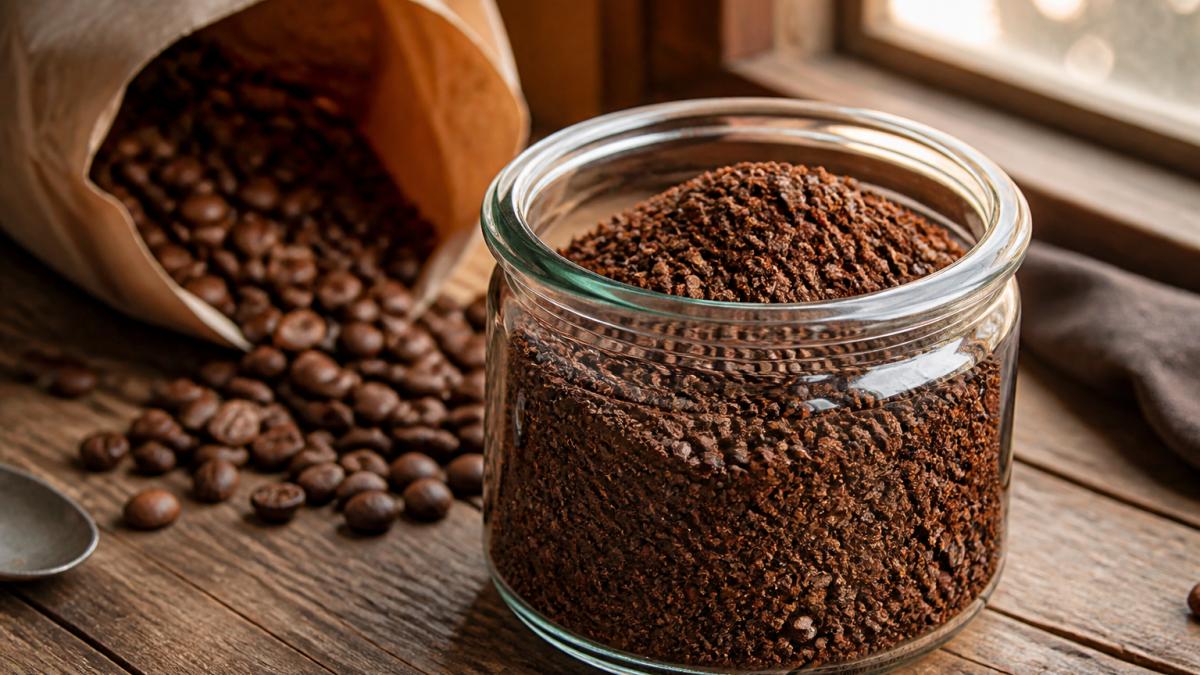
Best Overall: Cold Brew Coffee (Dark French Roast)
Our top pick is the Cold Brew Coffee dark French roast, blended specifically for cold brew with a very coarse grind already dialed in. It is 100% coffee with no additives and nothing artificial, and it makes a consistently satisfying cup with almost no guesswork. If you buy one bag, buy this one.
Best for Smooth, Chocolatey Flavor: Cold Brew Coffee (Medium)
The medium Cold Brew Coffee brings smooth chocolate, toffee, and floral tones. It is the pick for anyone who finds dark roasts too heavy, and it works especially well for nitro-style cold brew where a creamier texture is the goal.
Best Single-Origin: Sumatra
For a single-origin cup with real depth, Sumatra delivers syrupy body, dark chocolate, dried fruit, and earthy notes with a long finish. Grown in Aceh and wet-hulled in the traditional Giling Basha style, it is the most complex bean here and rewards a full 18-hour steep.

Best for Bold, Heavy Flavor: Italian Roast
The Italian Roast is our darkest roast, a slow-roasted blend of specialty-grade Arabica and Robusta. Acidity is essentially gone and the flavor is deep and heavy, the right choice if you drink your cold brew over ice with a splash of cream.
Best Value Blend: House Blend
The House Blend is a medium roast with nutty, sweet chocolate, mild citrus, and a clean bright finish. It is smooth and consistent bag after bag, making it the easiest everyday cold brew in the lineup.
| Pick | Roast | Tasting Notes | Best For | Price |
|---|---|---|---|---|
| Cold Brew Coffee (Dark French) | Dark | Bold, classic cold brew | Best overall | $24.99 |
| Cold Brew Coffee (Medium) | Medium | Chocolate, toffee, floral | Smooth and nitro | $24.99 |
| Sumatra | Medium | Dark chocolate, earthy, dried fruit | Single-origin depth | $24.99 |
| Italian Roast | Extra dark | Heavy, low acidity | Bold, creamy cups | $24.99 |
| House Blend | Medium | Nutty, sweet chocolate, citrus | Everyday value | $24.99 |
Cold Brew Coffee Ratio: Getting the Numbers Right
The standard cold brew coffee ratio is 1:4 by weight for concentrate, roughly 1 cup coarse grounds to 4 cups filtered water. Dilute the concentrate 1:1 with water or milk before drinking.
For ready-to-drink strength, use 1:8. Stronger ratios taste syrupy and waste beans; weaker ones taste watery. Weigh your coffee if you can, volume scoops vary too much between beans to be reliable.
How Long to Steep Cold Brew for the Best Flavor
Steep cold brew 12 to 18 hours at room temperature. Twelve hours gives a lighter, brighter cup; eighteen pulls out more body and sweetness. Past 24 hours, the brew turns bitter and woody.
Steep in the fridge if you prefer, but add 4 to 6 hours to the clock. Cold slows extraction, so a fridge batch needs closer to 20 hours to hit the same flavor.
How to Store Coffee Beans for Maximum Freshness
Storage advice is everywhere, but for cold brew the goal differs from hot brewing. A 12-18 hour steep gives stale or oxidized flavors far more time to dissolve into the cup: a bean that tastes merely flat hot can taste actively cardboard-like in cold brew. That makes storage and roast date selection criteria, not just freshness tips.
The Storage Rules That Actually Matter
Store whole beans in an airtight, opaque container at room temperature, away from light, heat, and moisture. An opaque canister with a one-way valve is ideal: it lets CO2 escape without letting oxygen in.
Whole beans stay at peak flavor about two to four weeks after the roast date. Ground coffee fades within days because the increased surface area exposes more oils to oxygen, the strongest argument for buying whole bean and grinding coarse right before brewing.
Why You Should Skip the Freezer for Daily-Use Beans
The freezer is a common recommendation, but it backfires for beans you open regularly: every time you pull the bag out, moisture condenses on the cold beans, accelerating staling and introducing off-flavors. If you must freeze, say, a backup bag untouched for a month, portion it into vacuum-sealed bags, freeze once, and thaw completely before opening. For daily-use beans, buy smaller amounts more often.
How to Use Roast Date to Choose Beans
This is the part most guides skip: the roast date on the bag predicts your final cup better than origin, roast level, or price. A practical framework:
- 0-3 days post-roast: Too fresh. CO2 is still escaping and will interfere with extraction. Let it rest.
- 4-14 days post-roast: Peak window. This is when to brew.
- 15-28 days post-roast: Still good, but flavor is flattening. Fine for everyday cold brew, especially with milk or syrup.
- 29+ days post-roast: Past peak. Acceptable in a pinch, but expect muted sweetness and a shorter finish.
If a bag does not print a roast date, that is a signal. Best-by dates are typically 6-12 months out and tell you nothing about when the coffee was actually roasted. A roaster who prints the roast date expects you to care about freshness, exactly the kind you want for cold brew.
The Buying Strategy This Implies
Buy whole bean, buy from a roaster who prints the roast date, and buy an amount you will finish within two to three weeks, for most households, a 12-ounce bag every two weeks rather than a 2-pound bag every two months. Roasted-to-order delivery exists because this pattern is hard to maintain at a grocery store, where bags may sit for months.
Whole Bean vs. Pre-Ground: Which Should You Buy?
Whole bean wins for cold brew: coarse grounds stale faster than whole beans, and you control the grind. Pre-ground is convenient if you do not own a grinder, but buy it in small amounts and use it within a week or two.
Grind Size for Cold Brew
Cold brew needs a coarse grind, similar to raw sugar or sea salt. Fine grounds slip through filters, cloud the cup, and turn the brew bitter. If your cold brew tastes muddy, grind coarser before changing anything else.
Frequently Asked Questions
What kind of coffee makes the best cold brew?
Dark and medium-dark roasts work best for cold brew because their lower acidity and deeper chocolatey, caramel notes hold up during long steeping. A coarse grind is essential to avoid bitterness. Blends designed specifically for cold brew, like Old Guy Outdoors' Cold Brew Coffee (dark French roast), remove the guesswork. Single-origin beans such as Sumatra also perform well if you prefer earthy, syrupy body over a classic smooth profile.
What is the best cold brew coffee ratio?
A standard starting point is 1 part coffee to 4 parts water by weight for concentrate, or 1:8 for ready-to-drink strength. If you measure by volume, use about 1 cup of coarse grounds per 4 cups of filtered water for concentrate. Adjust to taste: more coffee means bolder flavor, less means lighter. Always use room-temperature or cold filtered water, never hot, and stir gently to ensure all grounds are saturated.
How long should coffee steep for cold brew?
Most cold brew steeps for 12 to 18 hours at room temperature or in the refrigerator. A 12-hour steep yields a smoother, milder cup; 18 hours brings out deeper chocolate and toffee notes but can turn bitter if left too long. If you prefer a lighter, tea-like cold brew, try 10 to 12 hours. Always strain through a fine-mesh sieve or paper filter after steeping to stop extraction.
Should you use whole beans or pre-ground coffee for cold brew?
Whole beans give you the freshest flavor because you grind them right before brewing, preserving aroma and oils. Pre-ground coffee works in a pinch but loses brightness quickly after opening. For cold brew, you need a coarse grind similar to sea salt. If buying whole bean, a burr grinder set to coarse is ideal. Old Guy Outdoors' Cold Brew Coffee (dark French roast) arrives as coarse grounds, ready for immediate steeping.
Cold brew only tastes as good as the beans you start with, and stale supermarket bags will let you down every time. Old Guy Outdoors roasts to order so your beans arrive at peak flavor, ships fast and reliably, and keeps ordering simple with no inventory to manage. Get started with Old Guy Outdoors and brew a smoother, fresher cup from the first batch.