
How to Choose Coffee Roast Profile: A 2026 Guide
Table of Contents
- The Roast Profile Comparison Table: Find Your Match in 30 Seconds
- What Is a Coffee Roast Profile? Roast Degree vs Roast Curve
- Light vs Dark Roast Flavor Profile: Acidity, Body, and Mouthfeel
- Best Coffee Roast for Pour Over and Other Brewing Methods
- How to Taste Coffee Notes: A Simple Sensory Evaluation Guide
- How to Choose Your Roast Profile: A Step-by-Step Framework
- Roasting Sustainably: Energy Efficiency and Freshness You Can Taste
- Frequently Asked Questions
Last Updated: October 2, 2026
The Roast Profile Comparison Table: Find Your Match in 30 Seconds
Choosing the right coffee roast profile comes down to matching three variables: how much acidity you enjoy, how heavy you want the body, and which brewing method you use most. This guide from Old Guy Outdoors breaks down roast degree, roast curve, and flavor outcomes so you can pick with confidence rather than guesswork.
| Roast Level | Flavor Profile | Acidity | Body | Best Brewing Method | Old Guy Outdoors Pick |
|---|---|---|---|---|---|
| Medium-light | Pear, floral, jasmine, strawberry | High | Light | Pour over, drip | Tanzania |
| Medium | Balanced, smooth, mild sweetness | Medium | Medium | Drip, pour over, French press | Breakfast Blend |
| Medium-dark | Cocoa, caramel, vanilla | Medium-low | Full | French press, espresso | Cowboy Blend |
| Dark | Bittersweet, bold, low acid | Low | Heavy | Espresso, cold brew | French Roast |
What Is a Coffee Roast Profile? Roast Degree vs Roast Curve
A coffee roast profile is the complete record of how a batch of green coffee moves through the roaster over time, including bean temperature, airflow, and heat application at every stage. Roast degree is simply where that process ends: light, medium, or dark.

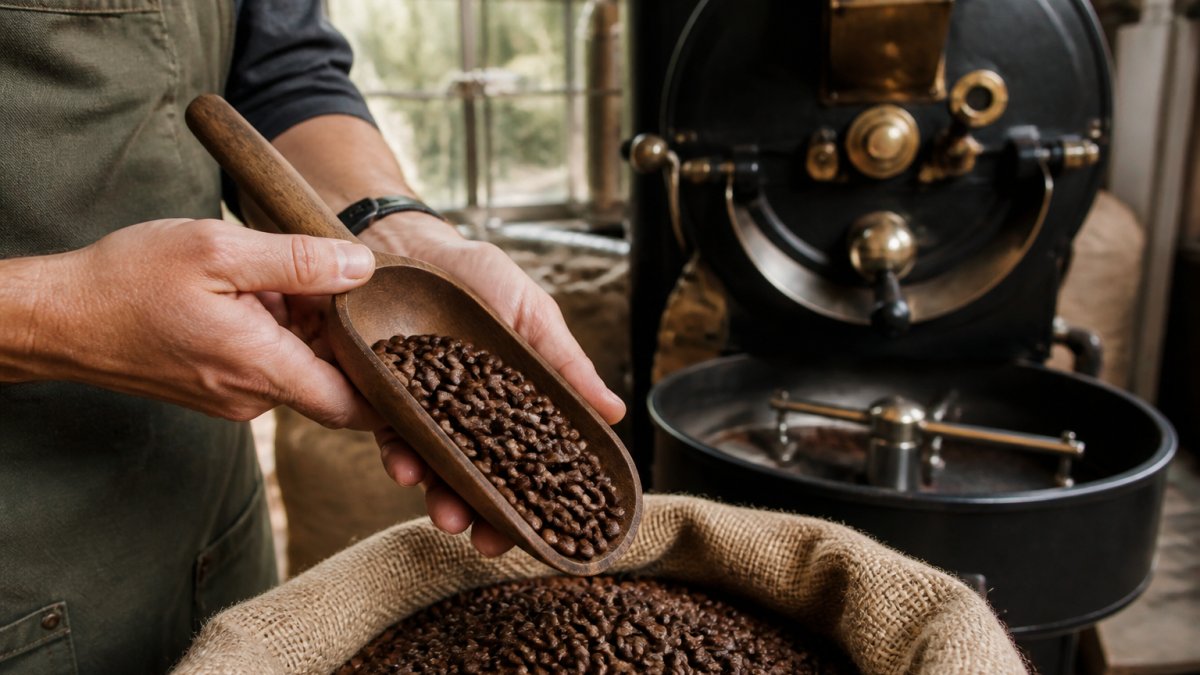
Roast Degree vs Roast Profile: What's the Difference?
Roast degree is the final color and internal temperature of the bean, measured on scales like the Agtron scale. Roast profile is the entire path taken to get there, tracked as a roast curve that plots bean temperature against time.
Key Roasting Milestones: First Crack, Second Crack, and Development Time
Three milestones define most roast profiles:
- First crack: The bean audibly pops as moisture escapes and internal pressure releases. This marks the start of drinkable coffee.
- Development time: The window between first crack and the end of the roast. This stage builds sweetness and body through caramelization and the Maillard reaction.
- Second crack: A sharper, faster crack signaling the bean is entering dark roast territory. Oils migrate to the surface and origin flavors fade.
Pull the roast shortly after first crack and you get a light profile. Push past second crack and you get a dark one. Development time, not total roast duration alone, is what most determines balance.
Light vs Dark Roast Flavor Profile: Acidity, Body, and Mouthfeel
The light vs dark roast flavor profile debate usually comes down to one trade: brightness versus depth. Light roasts preserve more of the bean's origin characteristics, while dark roasts replace them with flavors created by the roast itself.
Here is how each level typically lands:
- Light and medium-light: Higher acidity, tea-like body, fruit and floral flavor notes, thinner mouthfeel
- Medium: Balanced acidity and body, caramel sweetness, broad appeal
- Medium-dark: Lower acidity, fuller body, cocoa and caramel tones
- Dark: Low acidity, heavy body, bittersweet and smoky, oils visible on the bean surface
How Roast Duration and End Temperature Shape Flavor
Longer roast duration and higher end temperature drive two reactions that define your cup: caramelization, which creates sweetness and brown color, and the Maillard reaction, which builds the complex savory-sweet compounds behind most coffee flavor notes.
Best Coffee Roast for Pour Over and Other Brewing Methods
The best coffee roast for pour over is a light or medium-light profile, because the brewing method's paper filter and shorter contact time reward the acidity and delicate flavor notes those roasts preserve. Match the roast to the method and the cup improves immediately.
French Press, Espresso, and Cold Brew: Matching Roast to Method
Each brewing method extracts differently, so the roast that flatters one can flatten another:
- French press: Full immersion and a metal mesh filter let oils through. Medium to medium-dark roasts like Cowboy Blend, with its cocoa, caramel, and vanilla tones, hold up well against that heavier body.
- Espresso: High pressure and short contact time favor darker roasts with lower acidity. French Roast, with its bittersweet flavor and low acidity, produces a thick, syrupy shot.
- Cold brew: Long, cold extraction mutes acidity and amplifies sweetness. Dark and medium-dark roasts give cold brew its characteristic smooth, chocolatey depth.
- Drip: The most forgiving method. A balanced medium roast such as Breakfast Blend works for nearly any palate.
How to Taste Coffee Notes: A Simple Sensory Evaluation Guide
Learning how to taste coffee notes is a skill anyone can build in an afternoon. The goal is not to detect every flavor a label claims, but to notice acidity, body, and sweetness separately instead of experiencing coffee as one undifferentiated taste.

Cupping at Home: Step-by-Step
- Weigh 8 grams of coarsely ground coffee per 150 ml of water.
- Heat water to just off the boil and pour over the grounds.
- Wait four minutes, then break the crust on the surface with a spoon and smell the released aroma.
- Skim the remaining grounds and let the cup cool for several minutes.
- Slurp from a spoon to spread coffee across your whole palate.
- Taste again as the cup cools. Acidity and fruit notes often appear once the coffee drops below scalding.
Cooling is the step most people skip, and it is where the sensory profile becomes readable. Hot coffee hides flaws and nuances alike.
How to Choose Your Roast Profile: A Step-by-Step Framework
Choosing a coffee roast profile is a four-step decision, and most people can complete it in a single sitting. Work through these in order and you will land on a roast that fits your taste and your equipment.
- Name your brewing method first. It constrains the answer more than personal preference does. Pour over points to light or medium. Espresso points to dark.
- Decide your acidity tolerance. If you enjoy brightness and fruit, stay light. If you want smooth and low-acid, go dark.
- Match the body you want. Thin and tea-like means light. Heavy and syrupy means dark.
- Buy small and taste. Order a small amount of two adjacent roast levels, brew both the same way, and compare side by side.
Roasting Sustainably: Energy Efficiency and Freshness You Can Taste
Old Guy Outdoors roasts to order rather than holding inventory, which keeps the gap between roast date and your doorstep short. For campers, anglers, and anyone who wants a reliable cup before an early start, that freshness is the whole point. You can browse the full range, from Breakfast Blend to French Roast, at Old Guy Outdoors.

Frequently Asked Questions
What is the 15-15-15 coffee rule?
The 15-15-15 rule is a simple guideline for brewing consistent coffee: use a 15:1 water-to-coffee ratio (15 grams of water for every 1 gram of coffee), aim for a 15% extraction yield, and keep total brew time around 15 minutes for cold brew or 1.5 to 3 minutes for hot pour over. It helps you adjust one variable at a time when dialing in a new roast profile.
How does roast profile affect the acidity and body of coffee?
Lighter roast profiles preserve more of the bean's natural acids, giving you higher acidity, a tea-like body, and brighter fruit or floral notes. As roasting continues, those acids break down and the bean develops darker, bittersweet flavors with a heavier body and lower perceived acidity. A dark French roast, for example, offers low acidity and a bold, rich mouthfeel, while a medium-light Tanzania shines with pear, floral, and jasmine notes.
Which coffee roast profile is best for beginners?
Medium roasts are the easiest starting point. They balance sweetness, acidity, and body without the extreme brightness of a light roast or the smoky intensity of a dark roast. A medium blend like Old Guy Outdoors' Breakfast Blend or Medium Blend works well in most brewers, from drip machines to pour over, and gives you a forgiving cup while you learn how to taste coffee notes.
How do I match a roast profile to my preferred brewing method?
For pour over, light to medium roasts highlight clarity and origin characteristics. French press and cold brew do well with medium to dark roasts because their heavier body stands up to full immersion. Espresso often benefits from medium or dark roasts for balance and crema. If you mainly drink drip coffee, a medium roast like Cowboy Blend delivers cocoa, caramel, and vanilla tones that hold up well.
Does the origin of the bean change how I should choose a roast profile?
Yes. African beans, such as those from Tanzania, often have floral and fruity notes that a light or medium-light roast preserves. South American beans tend to be nutty and chocolatey, which medium roasts complement. A roaster's job is to match the roast curve to the bean's moisture content, density, and origin characteristics so the final cup reflects both the terroir and the roast style.
How fresh is 'roasted to order' coffee, and does it stay fresh?
Roasted-to-order coffee is typically shipped within a day or two of roasting, so it reaches you at peak flavor. After roasting, beans need 3 to 7 days to degas, then stay fresh for about 2 to 4 weeks if stored in an airtight container away from light and heat. Buying smaller batches more often beats stocking up on stale grocery store bags.