
Loose Leaf Tea While Hiking: Benefits & Brewing
Last Updated: October 23, 2026
Quick Summary
Loose leaf tea hiking combines hydration, moderate caffeine for alertness, and a forced rest break that aids recovery on the trail. Unlike tea bags, loose leaf offers richer flavor and brewing flexibility without electricity, making it practical for outdoor adventures.
- Green tea contains roughly 25-40 mg caffeine per 8-ounce cup; black tea roughly 40-70 mg.
- Pack loose leaf tea in small lightweight containers or individual pouches to reduce weight and prevent crushing.
- Boil and treat water before brewing; steeping alone does not disinfect untreated backcountry water.
- Cold brew tea eliminates the need for a heat source and develops smooth flavor over 2-4 hours.
- Pack out all spent tea leaves in a small ziplock bag to follow Leave No Trace principles.
Table of Contents
- Why Loose Leaf Tea Matters for Hiking
- Health and Energy Benefits of Tea on the Trail
- Best Tea for Hiking: Choosing the Right Blend
- How to Brew Tea While Camping
- Lightweight Tea Infuser for Camping: Gear That Works
- Cold Brew Tea for Hiking: A No-Heat Alternative
- Packing and Leave No Trace: Tea on the Trail
- Frequently Asked Questions
Why Loose Leaf Tea Matters for Hiking
Loose leaf tea hiking is a practical decision that combines hydration, energy, and comfort outdoors. Unlike tea bags, loose leaf tea offers richer taste and more flexibility in how you brew it on the trail.
At Old Guy Outdoors, we've spent years helping outdoor enthusiasts fuel their adventures with quality beverages. Loose leaf tea hiking rehydrates you, provides gentle caffeine, and transforms a rest stop into genuine restoration.
The advantage comes down to three things: flavor worth carrying, brewing methods that work without electricity, and a ritual that slows you down when you need to recover.
Health and Energy Benefits of Tea on the Trail
Tea helps on a hike in narrower ways than most wellness writing suggests. The honest version separates what is established from what is marketing and keeps tea inside a fluid and safety plan.
What tea reliably does
- Delivers caffeine, which improves alertness and perceived effort. Green and black teas contain moderate caffeine; a typical 8-ounce cup of brewed green tea runs roughly 25-40 mg and black tea roughly 40-70 mg, though leaf, dose, and steep time move those numbers a lot. That is enough to sharpen attention on a long climb without the sharp jolt some people get from coffee.
- Encourages fluid intake. A warm, flavorful drink is easier to keep sipping when you are cold, tired, or bored with plain water. That behavioral effect matters more than any micronutrient in the leaf.
- Provides a rest ritual. Stopping to boil water and steep forces a real break. The recovery benefit comes from the pause and the fluids, not from the leaves themselves.
What tea does not do
Tea is not a hydration substitute, a performance drug, or a water-treatment method. The caffeine in tea is mildly diuretic, but at normal trail doses the fluid in the cup more than offsets it (pubmed.ncbi.nlm.nih.gov).
Claims that tea "supports the body during activity" or speeds muscle recovery are not well supported. Treat flavor, warmth, caffeine, and the rest break as the benefits.
Hydration and water safety
Build tea into a fluid plan rather than counting on it. Carry a liter or more of plain water beyond what you brew with, and drink water alongside tea rather than instead of it.
Best Tea for Hiking: Choosing the Right Blend
Not all teas work equally well on the trail; your choice depends on the hike's length, elevation, and weather.
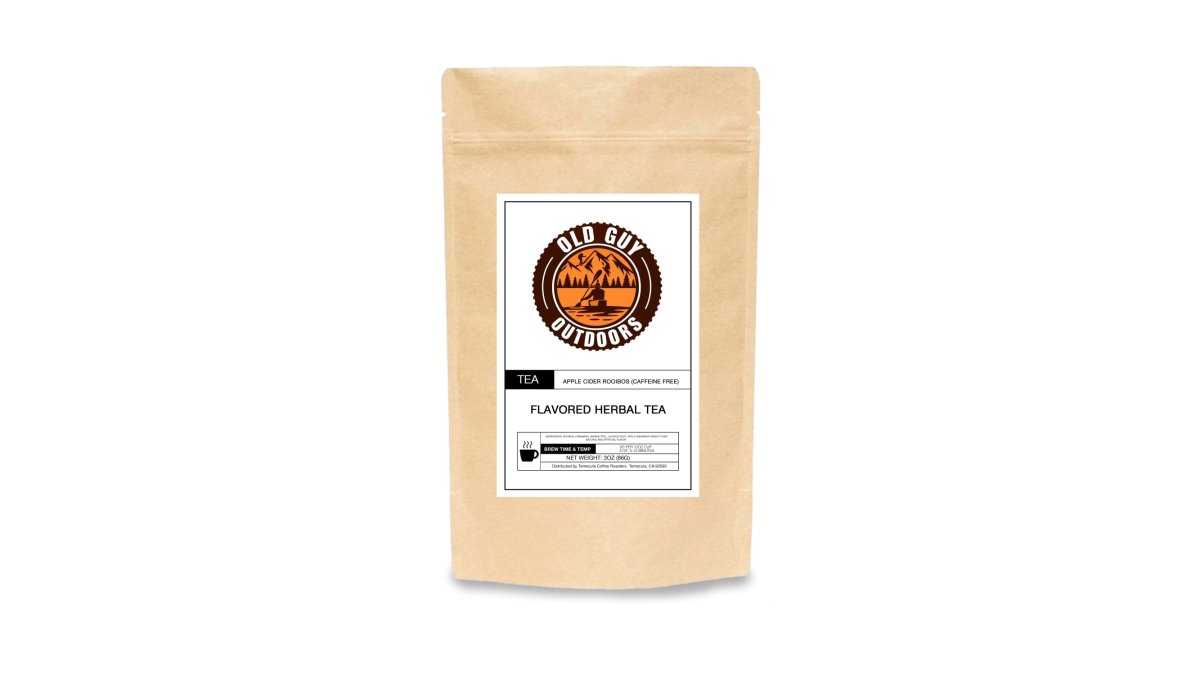
For high-altitude hikes, herbal blends hydrate without the diuretic effect high caffeine can create. Our Apple Cider Rooibos ($20.99) offers natural warmth and spice without caffeine, ideal for mountain hikes where you need sustained hydration.

For moderate day hikes, green or black blends provide steady energy without the crash. Moroccan Mint ($20.99) combines smooth green tea with fresh mint, refreshing hot and equally good cold-brewed.
Fruity herbal blends like Peach Paradise ($19.99) work well for shorter hikes or afternoons. These naturally sweet blends need little or no added sugar, cutting pack weight, and taste good at any temperature.
For berry lovers seeking hydration and mild antioxidants, Hibiscus Berry Tea ($20.99) delivers tartness and natural sweetness. Hibiscus steeps quickly (5-10 minutes), saving fuel and time on the trail.
The rule is simple: choose a tea you actually enjoy drinking. Flavor matters more than any single health benefit; a tea that tastes good gets consumed, one that doesn't sits untouched.
How to Brew Tea While Camping
A trail-ready brew is a short, repeatable routine: heat treated water, dose the leaf, steep, strain, and pack out the spent leaves. The details separate a clean cup on a windy ridge from a gritty one.
Gear to carry (all lightweight)
- A small stove and fuel canister, or an integrated jet-style stove for fast boils.
- A 0.7-1 L titanium or aluminum pot with a lid; the lid cuts boil time in wind.
- A reusable infuser: a mesh basket that fits your cup, a silicone collapse infuser, or a strainer spoon.
- A insulated camp cup or a second small cup for drinking.
- A small ziplock or stuff sack for spent leaves.
- A bandana or small cloth for wiping the infuser.
Step-by-step method
- Source and treat water first. Fill from a reliable source and treat it (boil, filter, or chemical) before it touches your tea. If boiling anyway, bring the full pot to a rolling boil, which also treats the water.
- Heat to the right temperature. Black and herbal teas want water near boiling (about 200-212°F). Green and white teas prefer cooler water, roughly 160-180°F; if you only have boiling water, let the pot sit a minute or two before pouring. At altitude water boils at a lower temperature, so expect longer steeping and slightly flatter flavor.
- Dose the leaf. About one teaspoon of loose leaf per 8-ounce cup, or a little more for a strong cup or a large mug. Pre-measure into small pouches at home to save time and mess.
- Steep. Black tea 3-5 minutes, green 2-4 minutes, herbal 5-10 minutes. In cold or windy conditions, cover the cup to hold heat. Over-steeping is the main cause of bitterness, so set a timer on your phone or watch.
- Strain and drink. Lift the infuser out and tap it against the cup. Drink while hot; if you are cold, hold the cup to warm your hands.
- Clean up and pack out. Knock spent leaves into your waste bag, wipe the infuser with the cloth, and pack everything out. Do not scatter leaves at camp or along the trail.
Trail conditions and adjustments
- Wind: use a windscreen and lid; boil time can double without them.
- Cold: pre-warm the cup with hot water; tea cools fast in metal.
- Altitude: water boils cooler, so use more leaf or a longer steep, and keep the cup covered.
- Groups: a French press-style infuser or larger pot with a mesh basket brews several cups at once and saves fuel.
Lightweight Tea Infuser for Camping: Gear That Works
Your infuser choice determines how easy brewing becomes on the trail.
Mesh tea balls weigh nearly nothing and fit in any pack pocket. They clip shut to keep leaves out of your water, cost under $10, and last for years.
Silicone infusers collapse flat, weigh almost nothing, and are durable and easy to clean.
Strainer spoons combine a spoon with built-in mesh and work well if you already carry a spoon.
French press style infusers are lightweight portable versions of home presses. They brew larger quantities for group trips and are heavier than other options but still reasonable for backpacking.
Disposable filter bags aren't true loose leaf tea, but they offer bag convenience with better flavor than standard tea bags.
The best infuser is one you'll actually use. Choose based on how many cups you typically drink and how much weight you're willing to carry.
Cold Brew Tea for Hiking: A No-Heat Alternative
Cold brew tea eliminates heating water, saving fuel and time. It works especially well for warm-weather hikes where hot tea sounds unappealing.
Basic cold brew method: Fill a water bottle halfway with cold water. Add loose leaf tea (slightly more than for hot tea). Seal and let it sit 2-4 hours, then strain and drink. Flavor develops slowly as the leaves steep.
Cold brew produces naturally smooth tea with less bitterness. Even teas that taste harsh when brewed hot become mellow when cold-brewed. This makes cold brew ideal for teas you're unsure about.
Advantages:
- No heat source required
- Brews while you hike
- Less caffeine extraction than hot brewing (if you prefer lower caffeine)
- Smoother, less astringent flavor
Disadvantages:
- Takes longer to develop flavor
- Requires advance planning
- Takes up water bottle space during brewing
For best results with cold brew tea for hiking, prepare it the night before or at the start of your hike. By mid-hike, it's ready to enjoy.
Packing and Leave No Trace: Tea on the Trail
Packing loose leaf tea properly keeps it fresh and ensures you follow outdoor ethics.
Packing loose leaf tea: Use small ziplock bags or dedicated tea pouches.
Alternatively, use small metal tins designed for tea storage. These protect leaves from moisture and crushing.
Leave No Trace with tea: Never leave loose tea leaves on the ground.
Dispose of cooled tea water properly. Pour it at least 200 feet from water sources and trails.
Use a proper waste container for spent leaves; a small ziplock bag weighs almost nothing and solves the disposal problem.
Minimize your impact by using reusable infusers instead of disposable filters. This reduces trash and aligns with Leave No Trace ethics.
Brewing loose leaf tea while hiking transforms your outdoor experience.
Start with one of our carefully sourced blends like Moroccan Mint or Apple Cider Rooibos. Pack a lightweight infuser.

Frequently Asked Questions
Is loose leaf tea better than tea bags for hiking?
Loose leaf tea delivers fresher flavor than mass-produced tea bags because the leaves remain intact until brewing. On the trail, you control steeping time precisely, avoiding the bitterness that over-steeped tea bags can produce. Loose leaf also packs lighter, you carry only what you need, making it ideal for weight-conscious hikers. Plus, you can reuse premium loose leaf leaves multiple times, stretching your supply across a multi-day trip.
What are the benefits of drinking tea while hiking?
Tea provides sustained energy through caffeine without the crash of sugary sports drinks. Herbal varieties like our Moroccan Mint offer hydration and natural refreshment without caffeine. Warm tea can be comforting on cold mornings, while cold-brewed options refresh you in heat. Beyond physiology, tea creates a grounding ritual that combats trail fatigue and enhances the outdoor experience.
How much loose leaf tea should you pack for a hike?
Pack 3 grams (roughly one teaspoon) of loose leaf tea per 12-ounce cup. For a day hike, bring enough for one or two cups, about 6 to 12 grams total. Multi-day trips benefit from premium loose leaf because you can re-steep leaves 2-3 times, doubling your supply. Store tea in a small, airtight container or ziplock bag to preserve freshness and prevent crushing. Consider herbal blends like our Apple Cider Rooibos, which are naturally caffeine-free and perfect for evening brewing without disrupting sleep.
Can you cold-brew loose leaf tea while hiking?
Yes. Cold brewing requires no heat source and works well on warm-weather hikes. Place loose leaf tea in a bottle or infuser, add cool water, and let it steep for 6-12 hours. This method produces a smooth, less bitter brew and is ideal for hydration during long days. Herbal teas like Peach Paradise cold-brew beautifully, offering natural sweetness and refreshment without added sugar. Cold brewing also reduces the risk of over-steeping, making it foolproof for backcountry brewing.
