
Why Fresh Roasted Coffee Tastes Different: A 2026 Guide
Table of Contents
- Why Fresh Roasted Coffee Tastes Different: The Science in Plain Terms
- Does Freshly Roasted Coffee Taste Better? The Honest Answer
- Coffee Roast Levels and Flavor: Light, Medium, and Dark Compared
- How Long to Rest Coffee After Roasting: A Guide by Roast Level and Brew Method
- How to Store Freshly Roasted Coffee Beans After Opening
- Troubleshooting: Why Your Fresh Roasted Coffee Tastes Bitter, Bland, or Sour
- Conclusion: Getting the Most from Fresh Roasted Coffee
- Frequently Asked Questions
Last Updated: October 12, 2026
Why Fresh Roasted Coffee Tastes Different: The Science in Plain Terms
Fresh roasted coffee tastes different because roasting unlocks hundreds of aroma compounds that don't exist in the raw bean, and those compounds start fading the moment the roast cools.
At Old Guy Outdoors, we roast to order for exactly this reason. The bag that reaches your door is days old, not months.
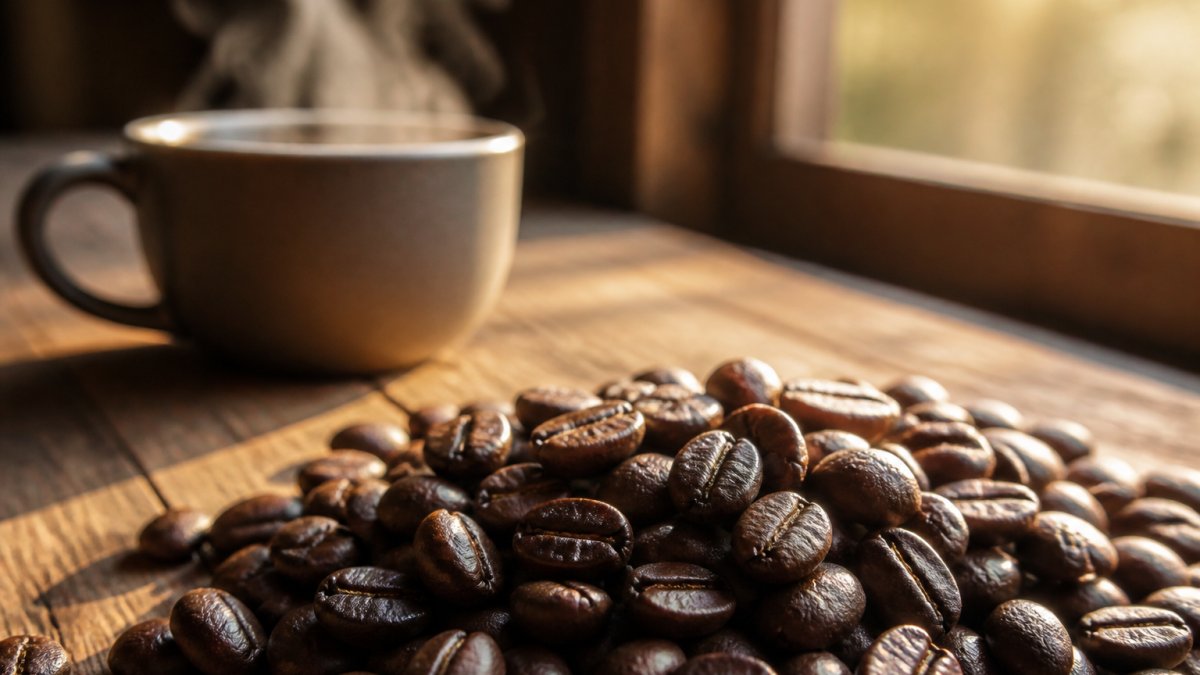
How Roasting Creates Flavor Compounds
Green coffee smells grassy and faintly like hay. It has none of the caramel, berry, or chocolate notes you taste in the cup.
Heat changes that. During roasting, sugars brown through caramelization, amino acids and sugars react through the Maillard reaction, and water escapes as steam.
Aroma is most of what you call taste. Pinch your nose while sipping and the coffee turns hollow.
Degassing, Carbon Dioxide, and Oxidation
Roasted beans release carbon dioxide for days after the roast. This is called degassing, and it's why a sealed bag puffs up.
Degassing isn't the enemy. It's a freshness signal. But once most of that gas escapes, oxygen moves in. Oxidation then breaks down the same aromatic compounds roasting created, and the coffee turns dull and papery.
The window where flavor peaks sits between those two forces. That's the whole game.
Does Freshly Roasted Coffee Taste Better? The Honest Answer
Freshly roasted coffee tastes better only when it has rested long enough to settle and is brewed soon after. Coffee roasted yesterday and brewed today often tastes worse than coffee roasted ten days ago, because trapped gas disrupts extraction.
That's the part most guides skip. "Fresh" isn't the same as "best."
Here's the honest breakdown:
- Days 1-3 after roast: Heavy degassing. Espresso pours wild. Pour-over can taste sharp and gassy.
- Days 4-14: The sweet spot for most brew methods. Aroma is bright, flavor is balanced.
- Days 15-30: Still good if stored well. Aroma softens.
So yes, fresh roasted coffee wins. But timing matters as much as the roast date.
Coffee Roast Levels and Flavor: Light, Medium, and Dark Compared
Roast level decides how much of the bean's origin character survives the roaster. Lighter roasts keep more of the fruit, floral, and acidity. Darker roasts trade those for caramel, smoke, and roast-forward notes.
Here's how the three main levels differ:
Roast Level |
Flavor Character |
Acidity |
Best For |
|---|---|---|---|
Light |
Floral, fruity, tea-like |
High |
Pour-over, drip |
Medium |
Balanced, sweet, nutty |
Medium |
Most brew methods |
Dark |
Bold, smoky, bittersweet |
Low |
Espresso, milk drinks |
Our Tanzania is a medium-light roast with pear, floral, and jasmine notes. The Colombia is a medium roast with dried orange, berry, and chocolate. Same bean species, different roast, totally different cup.

How Long to Rest Coffee After Roasting: A Guide by Roast Level and Brew Method
Rest coffee after roasting for 3 to 14 days, depending on roast level and brew method. Espresso needs the longest rest. Filter methods need the least.
This is the practical guide most articles leave out:
Roast Level |
Espresso |
Pour-Over |
French Press |
|---|---|---|---|
Light |
10-14 days |
7-10 days |
7-10 days |
Medium |
7-10 days |
4-7 days |
5-7 days |
Dark |
5-7 days |
2-4 days |
3-5 days |
Resting Times for Espresso, Pour-Over, and Other Brew Methods
Espresso is the pickiest. Trapped carbon dioxide fights the pressure, so shots pull fast and taste sour.
Pour-over and drip are more forgiving. Four to seven days is plenty for most medium roasts.
French press and cold brew sit in the middle. The longer contact time smooths out early gassiness, so you can brew sooner.
One rule holds across all of them: grind right before brewing.
How to Store Freshly Roasted Coffee Beans After Opening
Store freshly roasted coffee beans in an airtight, opaque container away from heat and moisture, and plan to finish them within two to four weeks of opening.
What actually protects flavor is controlling four things: oxygen, light, heat, and moisture. Oxygen oxidizes the aromatic oils that roasting created. Light accelerates that breakdown. Heat drives off volatiles. Moisture clumps beans and can promote mold.
Measurable Freshness Indicators and Their Limits
You can't taste a roast date, but you can read a few signals:
- Roast date, not best-by date. A printed roast date is the only honest starting point. Best-by dates are marketing, not chemistry.
- One-way valve. A working valve lets CO2 out without letting oxygen in. If the bag no longer puffs slightly in the first week, the valve or the seal may be compromised.
- Aroma on opening. A fresh bag releases a clear, sweet, roasty smell. A stale bag smells flat, papery, or like cardboard.
- Bean surface. Light and medium roasts look dry. Dark roasts show oils, but heavy oiliness within days of roast can also signal a very dark roast or older beans.
None of these guarantees a better cup. A roast date tells you age, not quality. A valve tells you packaging, not bean character. Use them together, not as a single verdict.
Airtight, Light, Heat, and Freezing: What Actually Works
- Airtight canisters. A one-way valve canister or a vacuum-sealed container slows oxidation. A simple clip on a rolled bag is better than nothing but not by much.
- Opacity. Clear glass jars look nice on a shelf and let light in. Store beans in a cupboard or use an opaque container.
- Heat. Keep beans away from the stove, the top of the fridge, and sunny windowsills. Room temperature is fine; hot is not.
- Fridge. Skip it. Condensation and food odors move into the beans every time you open the door.
Storage After Opening: A Short Checklist
- Note the roast date and mark the open date on the bag.
- Move beans to an airtight, opaque container after the first week.
- Keep the container in a cool, dark cupboard.
- Grind right before brewing, not in advance.
- Freeze only what you won't finish within two weeks.
Vacuum sealing helps until you break the seal. After that, storage habits decide how long the coffee stays good. The goal isn't to make beans last forever; it's to keep them close to their peak for the weeks you actually drink them.
Troubleshooting: Why Your Fresh Roasted Coffee Tastes Bitter, Bland, or Sour
Fresh roasted coffee that tastes off usually points to one of four things: too much extraction, too little extraction, beans that are too fresh, or beans that are past their window. The trick is to change one variable at a time and taste again. Most practitioners find that a single adjustment per brew is enough to move the cup in a clear direction.
A Diagnostic Flow: Taste to Cause to Fix
Work through this in order. Stop as soon as the cup improves.
- Taste the cup. Bitter and dry? Sour and sharp? Bland and flat? Gassy and harsh?
- Check the roast date. If the beans are under four days old, rest them two to four more days before judging. If they're over thirty days old, freshness is likely the cause.
- Check the grind. If the beans are rested, grind is the next most common culprit. Too coarse gives sour, thin coffee. Too fine gives bitter, muddy coffee.
- Check water and ratio. Water that's too hot or a ratio that's too strong can mimic over-extraction. Start with a 1:15 to 1:16 coffee-to-water ratio by weight and water just off boil for filter.
- Change one thing. Adjust grind first, then water temperature, then ratio. Taste after each change.
Taste |
Likely Cause |
First Fix |
Second Fix |
|---|---|---|---|
Bitter, dry |
Over-extracted |
Coarser grind |
Shorter brew time or cooler water |
Sour, sharp |
Under-extracted |
Finer grind |
Longer brew or hotter water |
Bland, flat |
Stale or too fresh |
Check roast date |
Adjust rest time or replace beans |
Gassy, harsh |
Brewed too soon |
Rest 2-4 more days |
Grind slightly coarser for the rest period |
Metallic, papery |
Old or poorly stored |
Check open date |
Improve storage or buy smaller amounts |
Distinguishing Roast Freshness from Bean Quality and Roast Defects
Not every off flavor is a freshness problem. Before you blame the roast date, rule out these separate causes:
- Bean quality. A mediocre green coffee tastes mediocre at any age. Freshness can't add sweetness or complexity that wasn't there.
- Processing. Natural-process coffees can taste fruity and fermented; washed coffees taste cleaner. That's the process, not the age.
- Roast defects. Scorching, tipping, or baked roasts show up as ash, char, or a flat, bread-like flavor. These are roast-execution issues, not freshness issues.
- Grind and water. A dull grinder or hard water can flatten a great bean. Try a different grinder setting or filtered water before you write off the coffee.
A Simple Controlled Comparison at Home
If you want to know what freshness actually does to your cup, run a small test:
- Buy two bags of the same coffee, one roasted this week and one roasted three to four weeks ago.
- Use the same grinder, the same water, the same ratio, and the same brew method for both.
- Brew them side by side and taste blind if you can.
- Note aroma, sweetness, acidity, and finish for each.
Most people find the fresher bag has more aroma and brighter acidity, while the older bag tastes flatter and more muted. The point isn't that fresh always wins; it's that you can taste the difference when everything else is held constant.
A common mistake is blaming the bean when the grind or the rest time is the real issue. Change one thing, taste again, then adjust. That habit will teach you more about your coffee than any single tip.

Conclusion: Getting the Most from Fresh Roasted Coffee
Fresh roasted coffee rewards patience. Rest it, grind it fresh, store it well, and it delivers flavor that supermarket bags simply can't match. The science is on your side.
Old Guy Outdoors roasts to order so your beans arrive at their peak, not past it. Our single-origin coffees, like the Guatemala with its dark chocolate and butterscotch notes, ship fast and arrive ready to rest and brew.
Get started with Old Guy Outdoors and taste what freshly roasted coffee is supposed to be.
Frequently Asked Questions
Why does freshly roasted coffee taste different from older coffee?
Freshly roasted coffee contains volatile compounds and trapped carbon dioxide that create bright, complex flavors. As beans age, oxidation and degassing strip away these compounds, leaving a flatter, duller taste. The roast date on the bag is your best clue: coffee tastes best within a few weeks of roasting, and the difference is most noticeable in the first 7 to 14 days.
How long should coffee rest after roasting?
Resting time depends on roast level and brew method. Light roasts need 7 to 14 days for espresso, while dark roasts may be ready in 3 to 5 days. For pour-over, 4 to 7 days works well for most roasts. Start tasting after a few days to find your preferred window, and adjust grind size as the beans continue to degas.
Why can very fresh coffee taste bitter or bland?
Very fresh coffee releases carbon dioxide rapidly, which disrupts water flow during brewing. This can cause uneven extraction, leading to bitter or bland flavors. Letting beans rest for a few days allows most of the gas to escape, so water can extract flavors evenly. If you brew immediately after roasting, use a slightly coarser grind and a longer bloom time.
How should I store freshly roasted coffee beans?
Store beans in an airtight container away from light, heat, and moisture. A one-way valve bag works well because it lets carbon dioxide escape without letting oxygen in. Keep the container in a cool, dark cupboard, not the fridge or freezer, unless you plan to freeze for long-term storage. Grind just before brewing to preserve aroma and flavor.